Leaderboard Legends: Why Strava Crowns Champions That Official Timing Never Will
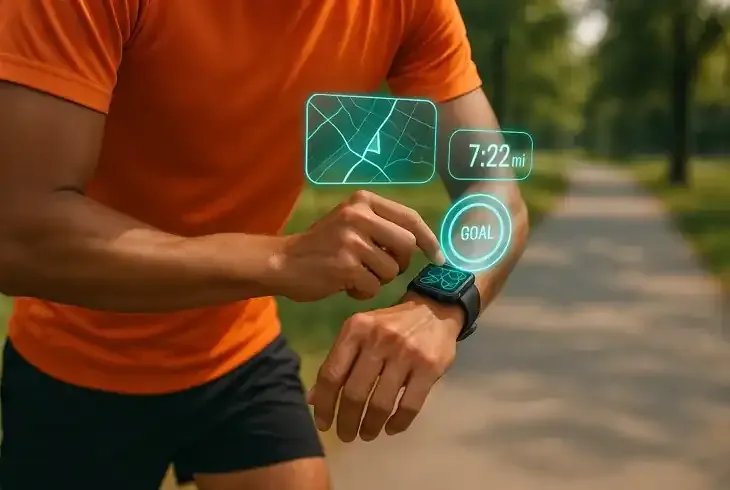
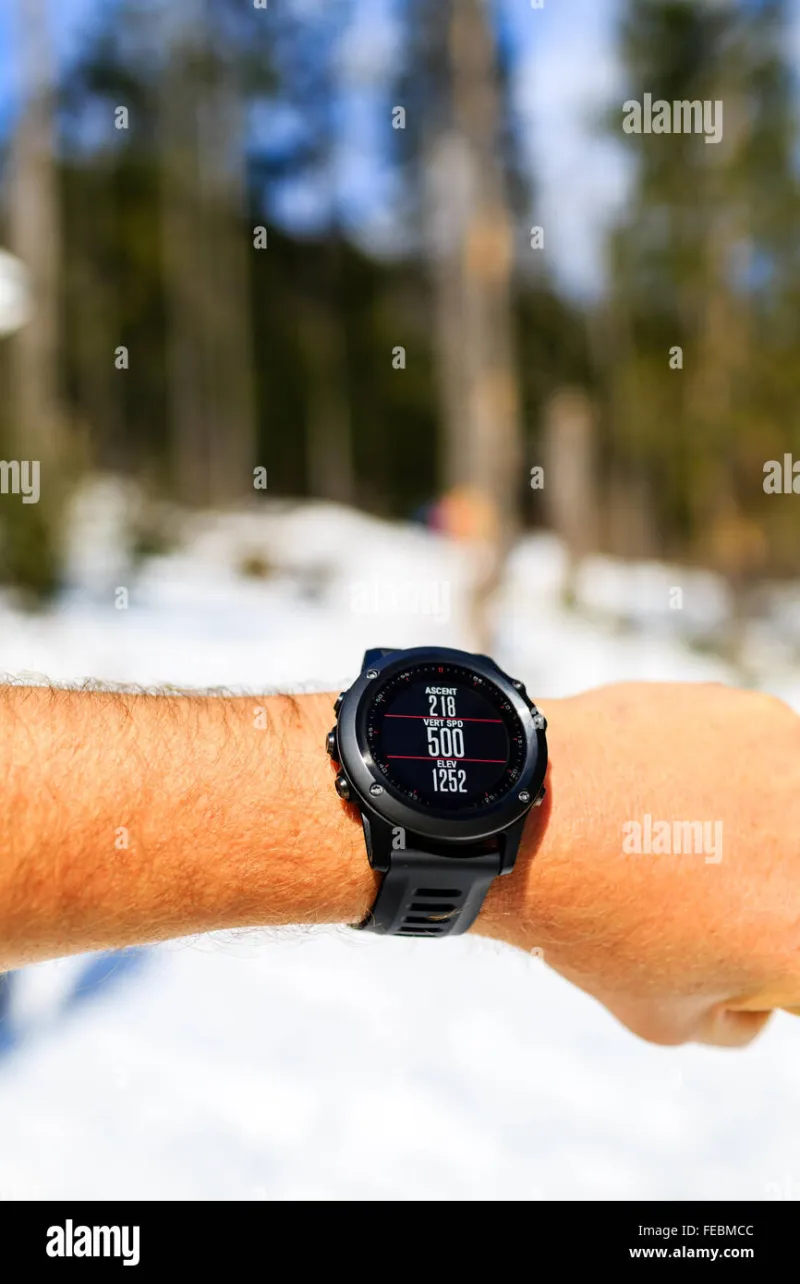
Photo: runner checking smartwatch GPS on trail with leaderboard app, via theretools.s3.amazonaws.com
Somewhere in the hills outside Boulder, Colorado, a runner is pushing through the final quarter-mile of a familiar stretch of trail. Her lungs are burning. Her watch is ticking. And the moment she crosses an invisible digital boundary, her phone buzzes with a notification that feels unmistakably like victory: she has claimed the Queen of the Mountain title on a Strava segment she has been chasing for two years.
For her, in that moment, it is a personal record. It is a conquest. It is real.
For the United States Track and Field Association, USA Running, and every sanctioned race timing organization in the country, it is nothing at all.
The Architecture of an Unofficial Win
Strava, along with platforms like Garmin Connect and Apple Fitness, has built an ecosystem that transforms any stretch of road, trail, or path into a de facto race course. Segments — user-defined distances that can span a few hundred meters or several miles — generate automatic leaderboards ranked by elapsed time. Athletes earn trophies, crowns, and achievement badges based on their performance against other users who have traversed the same route.
The mechanics are straightforward. A GPS-enabled device records movement. An algorithm matches that movement against a segment's defined coordinates. A time is logged, compared, and ranked.
What is missing, however, is everything that separates a training run from a sanctioned event: certified course measurement, licensed officials, calibrated timing equipment, and the chain of verification that allows a result to be submitted to an official record database. Without those elements, a segment leaderboard — no matter how competitive the field — exists entirely outside the framework that governs athletic performance at every level from local 5Ks to Olympic trials.
Gaming the Leaderboard
The informal nature of segment competition has created a secondary phenomenon that race directors and data integrity advocates are watching with increasing concern: deliberate manipulation of crowdsourced rankings.
Common tactics include running a segment on a net-downhill course configuration that the platform's algorithm still classifies as the standard route, recording efforts during favorable tailwind conditions that would be disqualified under sanctioned road race rules, or — in more egregious cases — logging rides on a bicycle and submitting them under a running activity type. Some athletes have been documented using vehicle-assisted efforts to claim segment records on lightly monitored routes.
None of this constitutes cheating in a legal sense. There is no governing body to enforce rules, no officials to file a protest with, and no formal appeals process. The platform's community flagging tools exist, but enforcement is inconsistent. The result is a leaderboard environment where the psychological weight of a "record" can be entirely divorced from the athletic merit that produced it.
The Psychology of the Phantom PR
Sports psychologists who work with endurance athletes have noted a pattern worth examining. The dopamine response triggered by a Strava segment crown is neurologically similar to the satisfaction of a genuine race finish. The platform is engineered to produce that response — notifications, social validation, visual trophies, and comparative rankings all reinforce the sense of achievement.
This is not inherently problematic. Gamification has legitimate value in training motivation, and millions of recreational runners benefit enormously from the structure and community that these platforms provide. The concern arises when athletes begin substituting segment victories for the harder, less controllable work of competing in sanctioned events.
Racing under official conditions introduces variables that no training segment can replicate: competitor pressure, course certification, standardized conditions, and the unforgiving objectivity of a chip-timed result that cannot be re-run on a better weather day. An athlete who has spent two seasons collecting segment crowns may arrive at their first road race with inflated expectations built on a foundation of self-selected conditions.
What Race Organizers Are Actually Watching
Despite the clear divide between platform metrics and official results, a growing number of race directors across the United States have begun incorporating crowdsourced data into their athlete engagement strategies — not as a substitute for official timing, but as a recruitment and retention tool.
Several regional race series have created Strava clubs tied to their events, monitoring segment performance on course segments that overlap with their official routes. Pre-race leaderboard standings are sometimes used to seed corrals or generate promotional content. Some smaller event organizers have even begun identifying high-performing local segment holders and targeting them with race invitations.
The logic is practical: if an athlete is already running a stretch of road at race pace and logging it obsessively, they are a candidate for conversion into a paying, registered competitor. The segment data tells race directors something useful about local running talent that no other source provides.
What it does not tell them — and what they are careful to distinguish — is anything about that athlete's official competitive record. The two data streams serve different purposes and carry different weight.
Where the Line Gets Drawn
The distinction between a Strava achievement and an official personal record is not a matter of institutional snobbery. It is a matter of verifiability, standardization, and the integrity of athletic comparison across time and geography.
When a runner posts a 19:42 in a certified 5K, that result can be compared meaningfully against any other certified 5K result in history. The course was measured to USATF standards. The timing system was calibrated and licensed. The conditions were documented. The result exists in a permanent, searchable record that other athletes, coaches, and selectors can trust.
When a runner records a 19:42 on a neighborhood segment, none of those assurances exist. The distance may be approximate. The start and end points may shift slightly depending on GPS signal quality. The conditions were self-selected. The result is real in the sense that it happened — but it is not verifiable in the sense that matters to anyone outside the athlete's personal metrics dashboard.
Every second counts, but only when every second is counted the same way, under the same conditions, with the same standards applied to every competitor. That is the foundation on which official timing records are built, and it is a foundation that no crowdsourced leaderboard, however sophisticated, has yet replicated.
The phantom personal record will keep buzzing on wrists and lighting up phone screens across the country. And for training motivation, community connection, and personal progress tracking, it will continue to serve a genuine purpose. But when the finish line is official, the clock is certified, and the record is permanent — that is when the real race begins.